Implants restore chewing ability, preserve jawbone, and provide a natural look and feel—no slipping, no dietary restrictions.
Dental Implants
"*" indicates required fields
-

Cost
Dental implants with a crown typically range from $2,500 – $5,500, depending on your individual needs and treatment plan. A detailed breakdown is provided during your free consultation.
Office Fees -

Procedure Duration
The full dental implant process typically takes 6-8 months, including healing time for the implant to bond with your bone before placing the custom-made restoration.
Schedule Online -
Pain Level
Most patients report minimal discomfort—local anesthesia and IV and oral sedation options ensure a smooth and relaxed experience.
Sedation Dentistry
Meet Your Implant Specialists

Dr. Jeffrey Casebier
Dr. Casebier is a Fellow in the Academy of General Dentistry and holds a Fellowship award designation from the California Implant Institute at UNLV. He has been able to hone both his cosmetic and surgical skills, becoming proficient in procedures such as full mouth smile rehabilitation, molar root canals, All-on-4 implant surgery, implants, and orthodontics.
Meet Dr. Casebier
Dr. Joey Pesicek
Dr. Pesicek is a Fellow of the International Congress of Oral Implantologists (ICOI). His dental-related interests include implants, cosmetic procedures, and new dental technology. He is a strong believer in the importance of continuing dental education and he is dedicated to providing compassionate, high-quality dental care.
Meet Dr. PesicekWhat are dental implants?
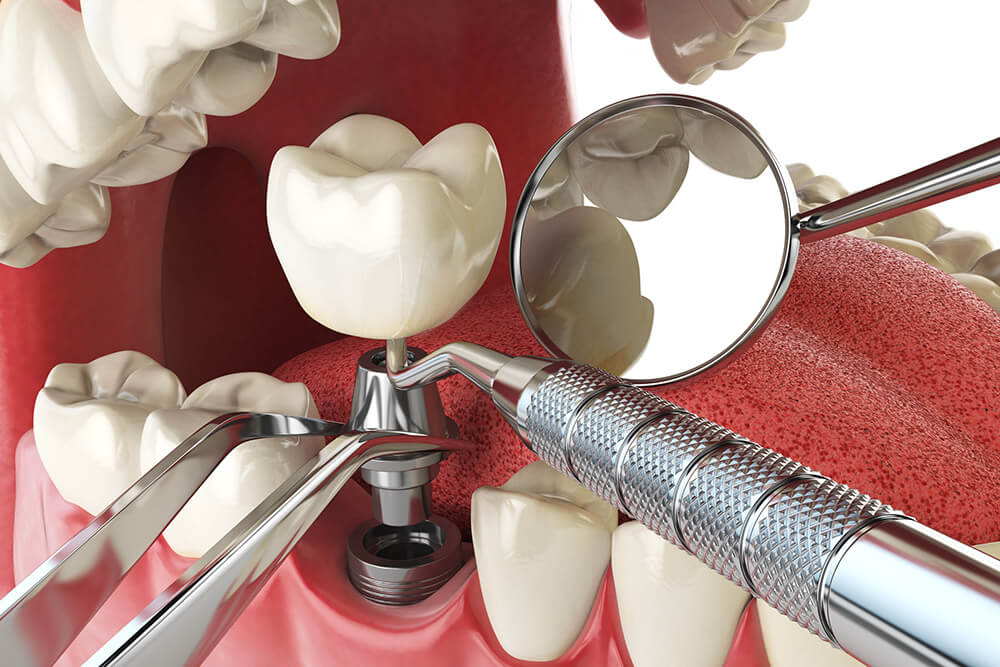
A dental implant is a small titanium post that replaces the root of a missing tooth. Implants can be placed in either the upper or lower jaw and serve as a strong foundation for a replacement tooth. Thanks to titanium’s biocompatibility, the implant naturally fuses with the jawbone, creating a secure anchor for crowns, bridges, or dentures. Whether you’re missing one tooth or several, dental implants offer a long-term solution. Many people who once relied on removable dentures or bridges find a dramatic improvement in comfort and chewing ability after receiving dental implants.
Every smile is unique, which is why we offer multiple implant options at Cary Implant and General Dentistry.
Single Tooth Implants
If your natural tooth is missing or severely damaged, you can get a natural-looking, fully functional replacement. A titanium post acts as a root, and a custom crown is added on top to blend seamlessly with your surrounding teeth.
All-on-4® Implants
This solution replaces an entire row of missing teeth using just four strategically placed implants. A full-arch restoration is securely attached to the implants, eliminating the need for removal like traditional dentures.
Implant-Supported Dentures
Implant-supported dentures are a secure, modern alternative to traditional removable dentures, anchored in place using dental implants. Instead of resting on the gums, they snap onto implants for improved stability, reducing slipping and discomfort while eating and speaking.
Why would I need dental implants?
Dental implants may be recommended if you have missing or severely damaged teeth that can’t be restored with traditional treatments. They replace tooth roots, providing a stable foundation for crowns, bridges, or dentures while helping prevent jawbone loss. Many patients choose implants because they offer a stable, long-lasting, and natural-looking solution.
If missing teeth are not replaced with dental implants (or another solution), it can lead to several long-term oral health issues:
- Jawbone Loss: Without a tooth root to stimulate the bone, the jaw can begin to shrink over time.
- Shifting Teeth: Nearby teeth may move into the empty space, causing bite misalignment.
- Difficulty Chewing and Speaking: Missing teeth can make it harder to eat certain foods and speak clearly.
- Increased Wear on Remaining Teeth: Other teeth may take on extra pressure, leading to damage or premature wear.
- Changes in Facial Appearance: Bone loss can cause a sunken or aged appearance in the face.
What are the risks of not getting dental implants?
Dental Implants vs Dentures
Dental Implants
Dental implants are a permanent solution that replaces both the tooth and its root, providing a stable and natural-looking result. They function like real teeth, allowing you to eat, speak, and smile with confidence while also helping preserve jawbone health. With proper care, implants can last many years—even a lifetime.
Dentures
Traditional dentures are removable appliances that rest on the gums to replace missing teeth. While they are a more affordable upfront option, they can shift or slip, may require adhesives, and do not prevent bone loss over time. Dentures may also need adjustments or replacement as your mouth changes.
01.
Dental Implant Process
Step 1: At the first appointment, we use an X-ray to determine if the jawbone is adequate to hold the titanium posts.
Step 2: Treatment with dental implants requires meticulous planning for best results.
Step 3: Models of the mouth are then made using a soft, pliable plastic compound. These models show where the gaps are located and provide measurements for a replacement tooth or a bridge.
Step 4: A surgical procedure is required (using local anesthetic and sedative) in which precision channels are created in the jawbone, often using a surgical guide. The implants are then fitted into the sites so that they are in contact with the bone.
02.
Next Steps After Dental Implants
Step 5: Implants generally require two to six months to fuse to the bone before tooth restorations can be attached to complete the process.
Step 6: An abutment is attached to the implant. This is a device that “abuts” or joins the implant to a tooth form called a crown, which replaces the tooth part you see in the mouth.
Step 7: The custom crown is cemented or screwed onto the abutment to permanently keep it in place and should be indistinguishable from your natural teeth.
Frequently Asked Questions
-
What are the benefits of dental implants?
-
Can implants be used for single or multiple teeth?
Yes! Implants can replace a single tooth, several teeth, or support a full arch restoration like implant-supported dentures.
-
What makes implants feel natural?
Implants fuse with your bone and support custom restorations that are designed to match your natural teeth in shape, size, and color.
Dr. Pesicek and Dr. Casebier, are both Fellows of the International Congress of Oral Implantologists (ICOI)—a distinction that reflects advanced training and expertise in implant dentistry.
According to the American Academy of Implant Dentistry, dental implants have a 95 percent success rate.
Adults 20 to 64 years have an average of 25.5 remaining teeth according to the National Institute of Dental and Craniofacial Reseearch.
Related Services
Dentures
Dentures are a reliable, natural-looking solution for replacing missing teeth. We offer full, partial, and implant-supported options custom-fit to your needs. You can improve your smile and restore function to your teeth.
Dentures
Dental Crowns and Bridges
Protect and rebuild weakened teeth or replace missing ones with custom dental crowns and bridges. A dental crown fits over a damaged, decayed or unattractive tooth. It can even replace a tooth entirely as part of dental bridgework. We use a CEREC machine to mill crowns in-house, so you can get your restoration completed in one visit.
Dental Crowns and Bridges